Help and contact
Attributes
- Cartridge:
284 Winchester
- Style:
Rimless Rifle
- Delivery weight: 0,091kg
Item details
Made in USA

 (0)
(0) 
Prices incl. VAT, plus delivery
Product no.: 184050310
Mfr. No.: F284WIN
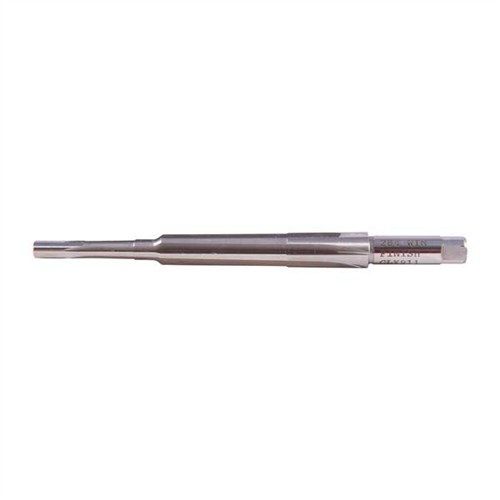
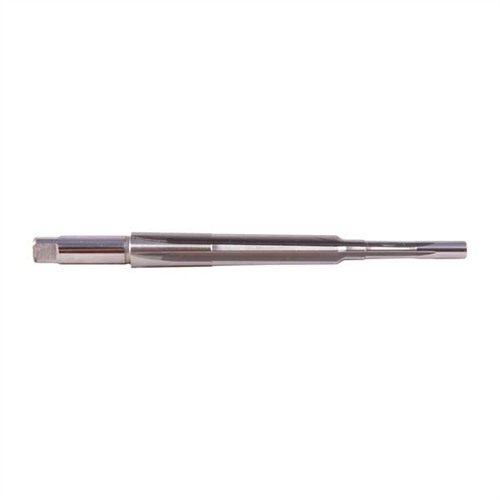
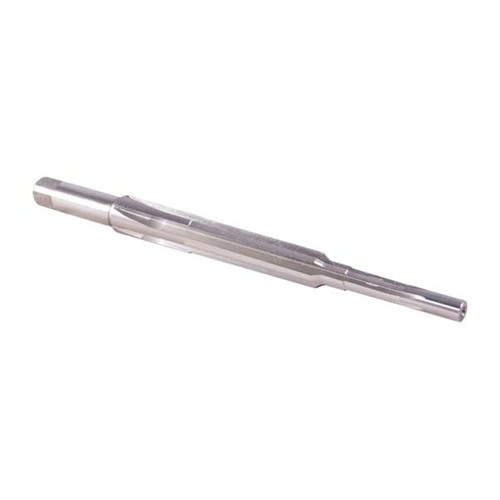
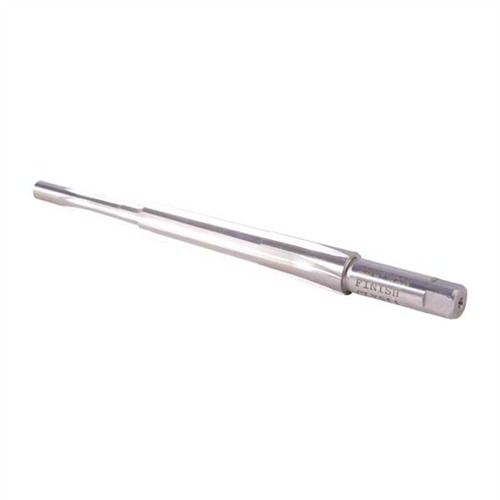
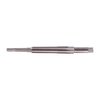
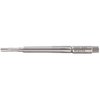
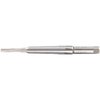
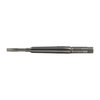
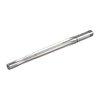
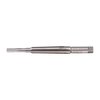
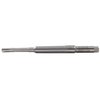
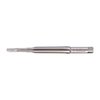
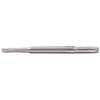
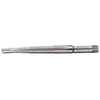
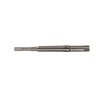
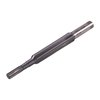
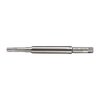
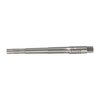
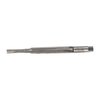
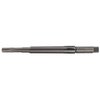
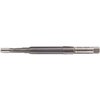
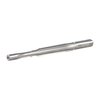
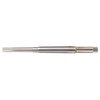
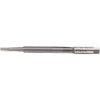
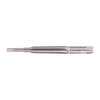
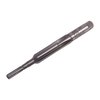
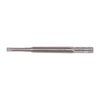
Made by Clymer, a truly dedicated group of gun people, from best quality, M-7 High-Speed Steel. These are precision tools for the professional gunsmith and will give a lifetime of service when properly cared for. Fully guaranteed. Roughers are .010" smaller in diameter than the final size, do not cut the throat area and should be used to save wear on the Finish Reamer when many chambers are to be cut. If only a few chambers will be cut, a Finish Reamer is all you need. Superb quality reamers made to SAAMI specifications.
Delivery time approx. 7-14 days.
More than 10 pieces in USA warehouse
Prices incl. VAT, plus delivery
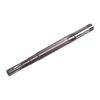
SPECS: RIFLE REAMERS - 6, right-hand cutting, straight flutes. Solid pilot, integral throat. Stocked in Rougher and Finisher. 7/16" round shank with 3/8" square drive. ¼" round shank on .22 RF. ORDERING: Advise: 1) Stock #. 2) Cartridge Caliber and Name.
Note: If you do not see the caliber you are looking for below, please feel free to contact our Special Orders Department, as many additional items are avaliable from Clymer.
284 Winchester
Rimless Rifle
We encountered an error while loading this content. Please refresh the page to continue. If the issue persists, contact our customer support.
to Brownells Europe, your destination for anything gun related. With our roots in a genuine passion for firearms, we bring you an unmatched selection of Gun Parts, Firearm Accessories, Gunsmithing Tools, Scopes & Red Dot Sights and Expert Knowledge.
Whether you're looking to maintain, repair, or upgrade, we've got what you need!
For Shooters, By Shooters
We share your enthusiasm and know exactly what you're looking for because we're part of the community.
Massive Selection
From the essentials to the unique, find everything under one roof.
Our blend of tradition and innovation
Shop with the convenience of modern technology, backed by a legacy of experience.
Browse our collection and discover why we're the trusted name in shooting sports & hunting.


 Classical view
 Mobile view